Oct
Before the first cold snap
Run the heating for thirty minutes while it's still warm outside. Check for cold radiators, strange noises, and pressure within 1.0–1.5 bar.
Three short sections — seasonal routines, pressure basics, and a plain-English translation of the phrases engineers use on service notes.
Run the heating for thirty minutes while it's still warm outside. Check for cold radiators, strange noises, and pressure within 1.0–1.5 bar.
Most boiler warranties require a yearly service by a certified heating engineer. November slots fill up; book early.
A frozen condensate pipe can lock the boiler out during a cold snap. Warm water — not boiling — along the outdoor section usually fixes it.
Note any radiators that never warmed properly. Book a balance or a flush in spring while engineers are quieter.
Pressure climbs when the system heats up and drops when it cools down. Small swings are normal. These four ranges tell you whether to act, and what to do.
1.0–1.5 bar
Normal when the heating's been off for a few hours.
1.5–2.0 bar
Expected to climb a little — water expands as it heats.
Turn it down
Filling loop may have been left open. Drain a little from a radiator, close the loop.
Refill, watch
Top up to 1.2 bar. If it drops again within days, there's a leak.
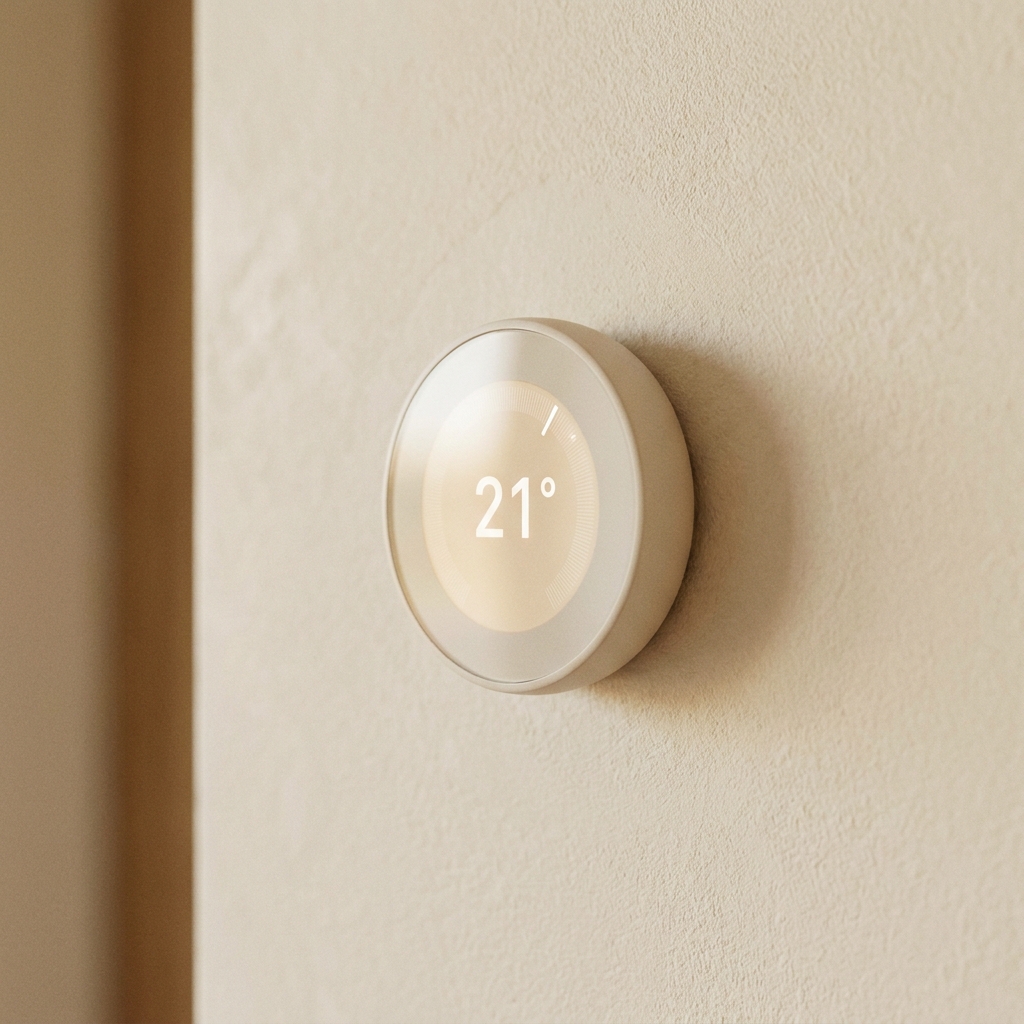
“The gauge tells you more than the display. Photograph both together.”
AST knows the common phrases: balance the system, PRV discharging, expansion vessel recharge, diverter valve. Paste or try an example — we'll highlight each phrase and say what it actually means.
Balance the system
Adjust the lockshield valves on each radiator so hot water reaches them all evenly — rooms furthest from the boiler get warm too.
What to do: An engineer does this during a full service; roughly a 40-minute job.
PRV discharging
A safety valve is releasing water outside the house because the system pressure has climbed too high.
What to do: Turn the heating off. Check the filling loop isn't leaking into the system. Book an engineer.
Magnetic filter
A canister on the return pipe that catches iron sludge before it reaches the boiler.
What to do: An engineer empties it during an annual service. Worth fitting if you don't already have one.
Inhibitor
A liquid that slows corrosion inside your heating pipes and radiators.
What to do: An engineer tops it up after a drain-down. Ask them to dose to the manufacturer's guideline.
AST translates common engineer phrases. If a note mentions a gas safety notice, a warning sticker, or the words “at risk” or “immediately dangerous”, book a certified heating engineer licensed in your country — don't delay.